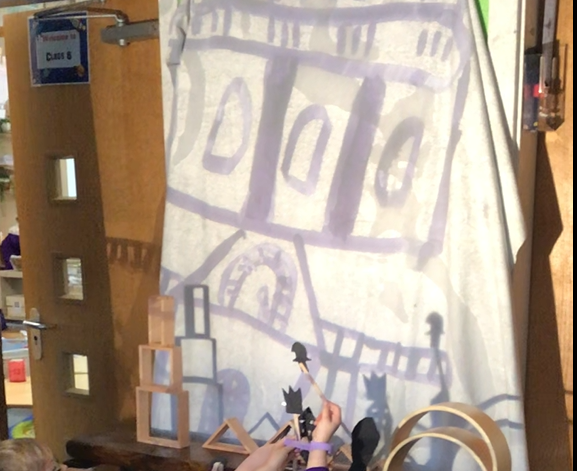
Continuous Provision
At St Nicolas, continuous provision is central to our teaching and learning in Early Years and Key Stage 1. Guided by our vision to ‘Navigate, Inspire, Challenge, and Succeed,’ we create a stimulating environment that fosters curiosity, independence, and a love of learning. Carefully planned provision builds strong foundations, nurturing confidence and resilience.
What is Continuous Provision?
“To continue the provision for learning in the absence of an adult.” Alistair Bryce-Clegg.
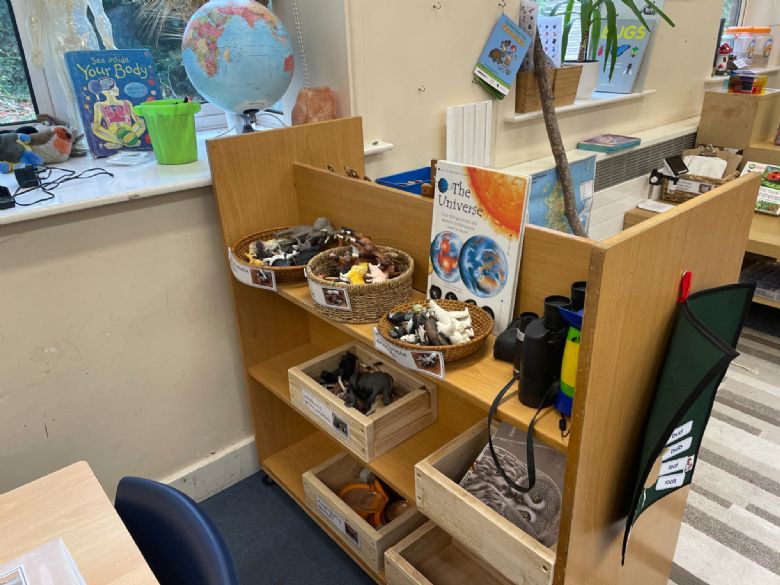
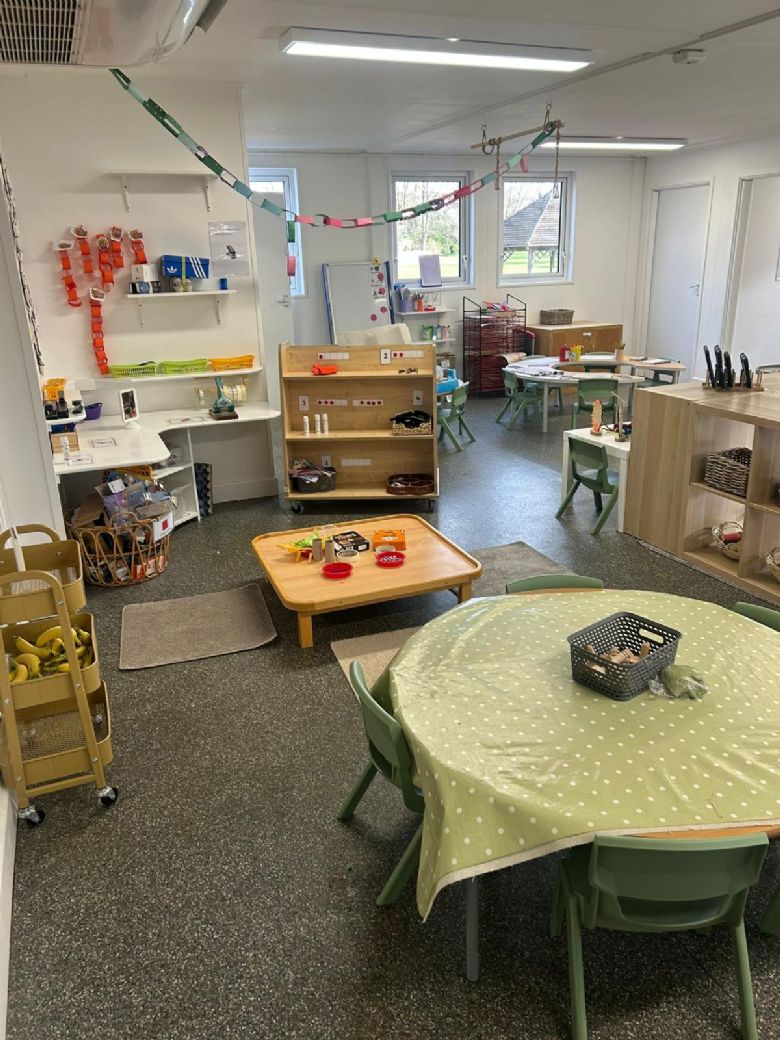
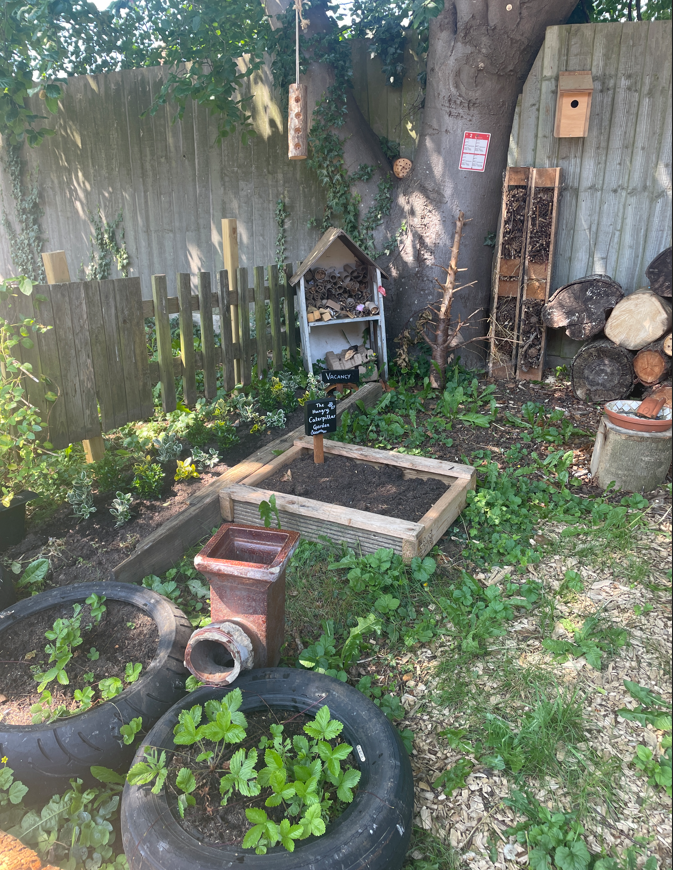
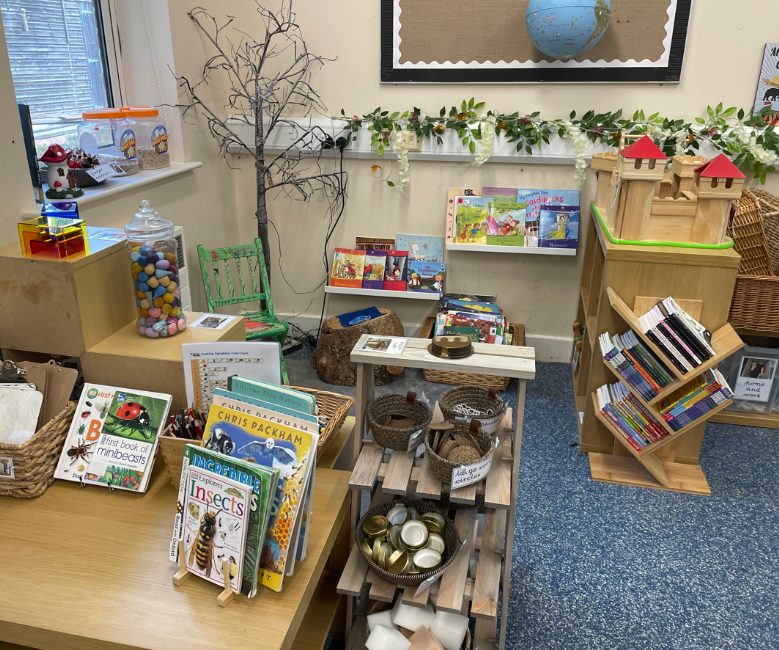
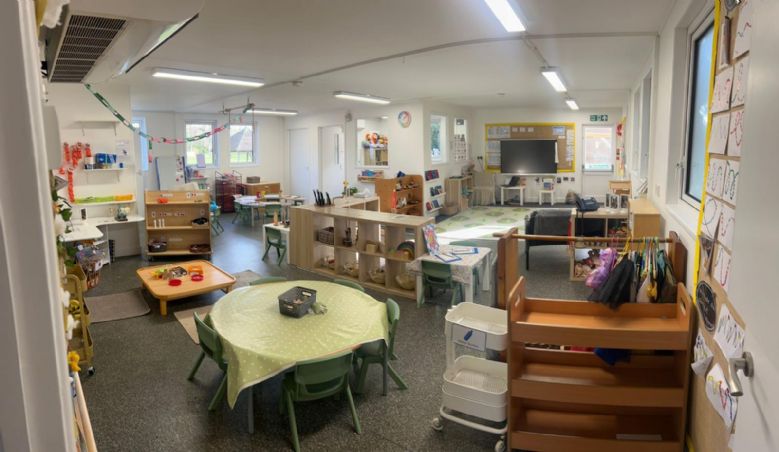
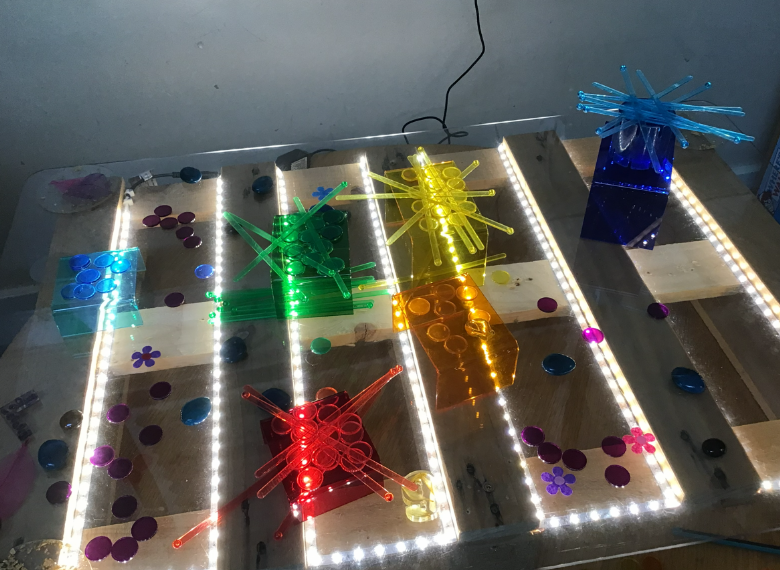
Continuous provision describes all the different areas of provision which are available for children to use all day, every day, all year round. The permanent, daily-accessible learning areas and resources allow children to engage in independent, purposeful play. High quality provision requires a well-planned environment that is response to the children’s interests and developmental needs. This may therefore differ with each cohort of children.
The characteristics of effective learning in the EYFS focus on how children learn rather than what they learn.
- Playing and exploring- investigation and having a go
- Active learning- developing concentration and resilience
- Thinking critically- developing ideas and strategies.
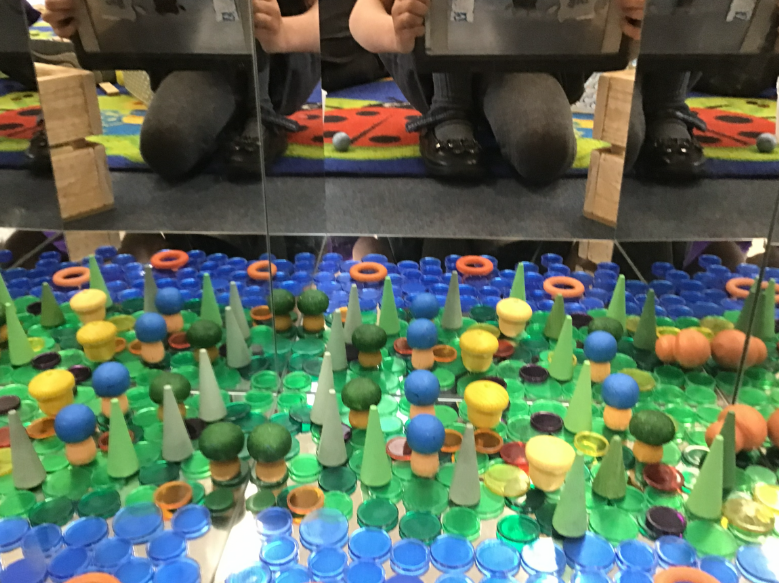
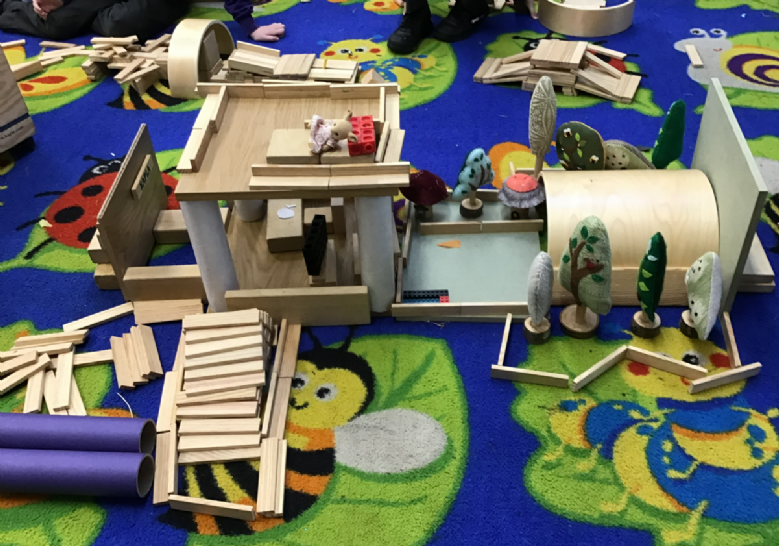
These skills allow children to become self-motivated and effective learners and are best supported in environments that offer safe, open-ended play and encouragement to take risks.
At St Nicolas School we believe this approach to learning continues to be essential as children move from EYFS to KS1.
Why do we continue with Continuous Provision at St Nicolas?
Transitioning from Reception to Year 1 can be a significant shift for young children. Many are still motivated by play-based, exploratory learning and are not yet ready for extended periods of formal instruction. Continuous provision provides a bridge between these stages, ensuring that learning remains meaningful, engaging, and developmentally appropriate. This approach aligns with our NICS vision by enabling children to continue exploring and discovering at their own pace, making sense of their learning journey through purposeful play and hands-on experiences. By following their interests and taking ownership of their learning, children develop natural curiosity and creativity, fostering problem-solving, collaboration, and a love for learning. Continuous provision also supports resilience, allowing children to take risks, make mistakes, and find solutions independently while enabling teachers to provide targeted support through small-group interactions. Success is not only measured through academic progress but also in the development of confidence, communication skills, and social interactions. Revisiting and applying learning in different contexts helps embed knowledge into long-term memory, ensuring children are well-prepared for the next stage of their education.
The Impact of Continuous Provision
Our approach ensures children are engaged, confident, and ready for their next stage of education. By embedding Navigate, Inspire, Challenge, and Succeed within continuous provision, we support every child in reaching their full potential both academically and personally. St Nicolas provides an outstanding learning experience, preparing children not just for school, but for life.
Discrete Teaching and Curriculum Balance
While continuous provision is vital, some subjects require discrete teaching to ensure children develop essential skills. Daily phonics and Mastering Number sessions are delivered by the class teacher, ensuring children are taught at their level and appropriately supported and challenged to make progress. Maths and English sessions follow whole-class inputs, allowing children to consolidate their learning with quality first teaching. Other areas of the curriculum, such as science, PE, computing, music, humanities, and DT/art, are taught weekly to ensure full coverage of the National Curriculum. Skills and knowledge from these subjects are then developed further during continuous provision, where children can apply and embed their learning in meaningful ways. This ensures children know more and remember more, making strong connections across their learning.